Fenora Pro

Platform · Window Configurator

Configure the window. Build the quote. Get it right first time.

Box sash, spiral, flush casement, tilt & turn, French casement, single, French, stable, sliding and bifold doors, bays and shaped fixes — configured pane by pane, with glass, bars, cills, horns, hardware and colour, inside and out.

Replaces: Sketches on the back of a survey sheet and a specification only one person understands.

The problem

The specification only exists in one person’s head.

A sketch on the back of a survey sheet is not a specification, and a description in a spreadsheet cannot be manufactured from. Every remake starts as an assumption somebody made.

  • 01

    Bespoke joinery described in words and interpreted differently downstream.

  • 02

    Drawings produced separately from the price, so the two disagree.

  • 03

    Internal and external finishes recorded as a note, if at all.

  • 04

    Remakes nobody wants to own, because nobody can prove what was ordered.

How it is done today
  1. SystemSketch
  2. SystemNotes
  3. SystemSpreadsheet price
  4. SystemCAD drawing
  5. SystemOrder form

Five places to look, none of which agree with each other — and no single record of the job.

The Fenora answer

Drawn as it will be manufactured.

Units are configured pane by pane with real geometry — frame, mullion, transom and cill dimensions to the millimetre — and the same configuration prices the quote and instructs the factory.

  • 01

    Every unit type

    Sash, casement, tilt & turn, steel, shaped fixes, bays, doors and bifolds.

  • 02

    Traditional detail respected

    Horns, arch profiles, glazing bar layouts, box frames and cill projections.

  • 03

    Inside and out

    Colours, hardware and bars specified separately for each face of the unit.

  • 04

    Glass specified properly

    Thickness, cavity gas, spacer colour and toughening, per pane where it differs.

  • 05

    Hardware from your library

    Handles, hinges, fasteners and letter plates, drawn in position.

  • 06

    One specification onward

    Priced, quoted, surveyed against and built from the same figures.

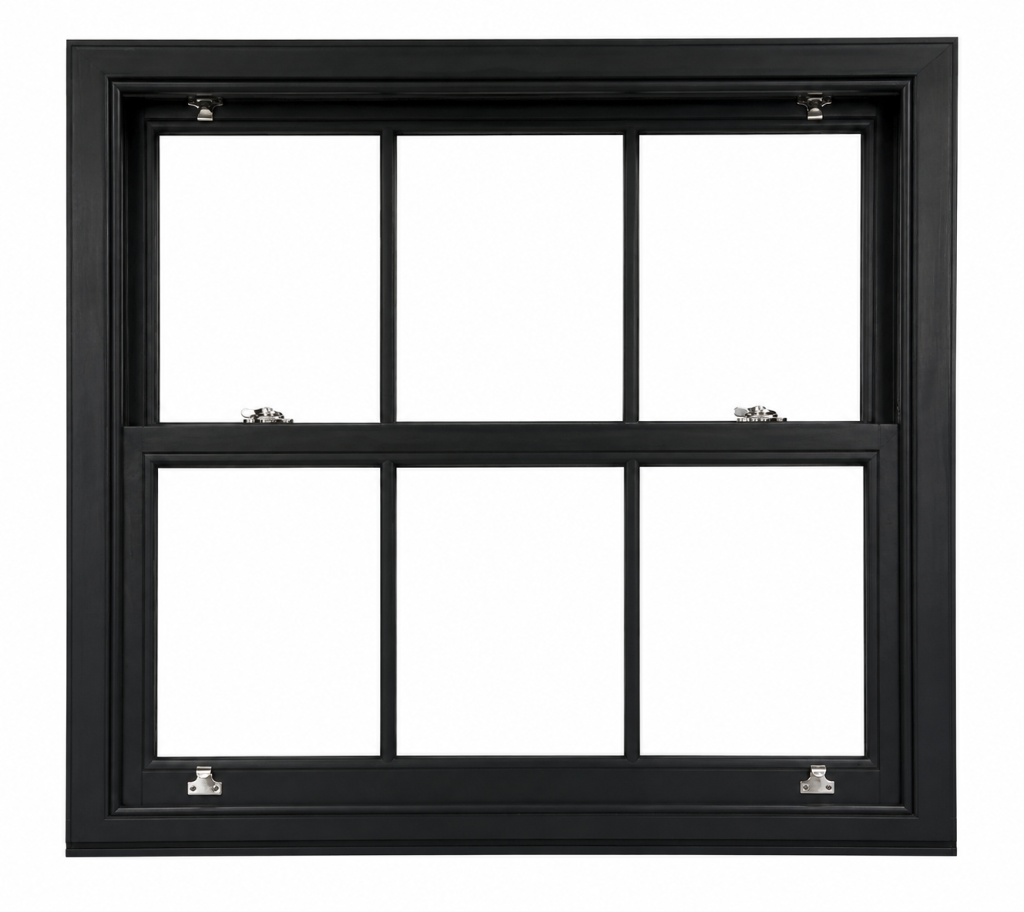
A black timber box sash window with six-over-six glazing bars and polished sash fasteners.
Box sash · 6 over 6Black · brass ironmongery

Drawn as it will be made

Bars, fasteners, horns and finish — all yours to set.

Every pane, bar and piece of ironmongery is configured on the unit itself, inside and out, then carried through the quote and into production unchanged.

Inside the product

This is what it actually looks like.

Fenora's own interface, not an illustration of it — the same screens your office and your site teams work in every day.

Fenora — Window configurator
Dimensions, options, specification and price around the unit itself

Drawn, not described

Real geometry, to the millimetre.

Frame, sashes, glazing bars, cill projection and horns are drawn as they will be made, with dimensions and witness marks exactly as they appear on the quote and in the workshop.

Box sash
1200 mm1650 mm
Flush casement
900 mm1200 mm
French door
1500 mm2100 mm

Each unit drawn internally and externally, on the quote and on the shop drawing

Configurable products
  • Box sash
  • Spiral sash
  • Mock sash
  • Flush casement
  • French casement
  • Tilt & turn
  • Steel casement
  • Shaped fixes
  • Bay windows
  • Single doors
  • French doors
  • Stable doors
  • Sliding doors
  • Bifold doors
  • Presets
  • Frame viewer

Materials

Timber, aluminium and uPVC — configured properly, not approximated.

Most window software handles one material well and fudges the rest. Fenora treats all three as what they are: different systems, different sections, different hardware and different costs — specified per unit, on the same quote.

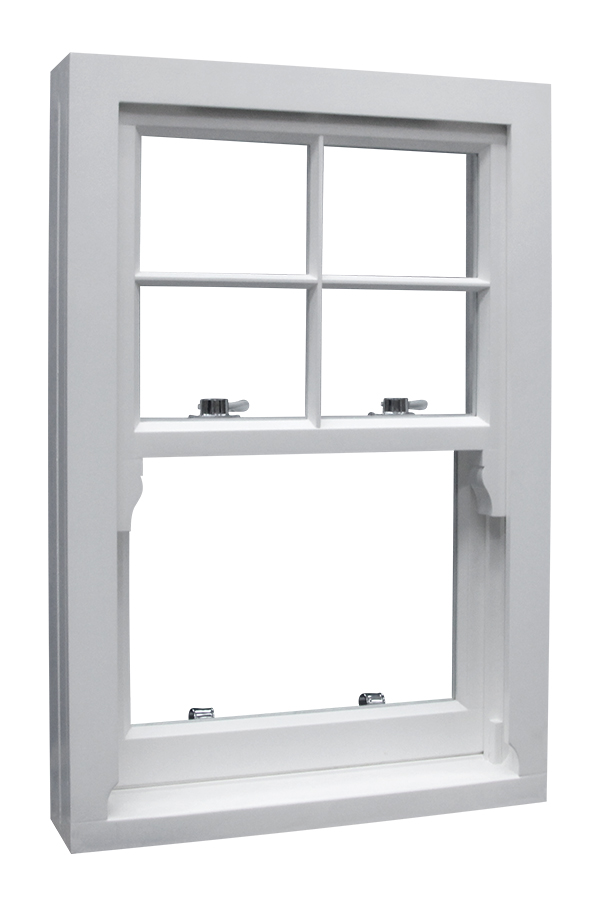
A white sliding sash window photographed at an angle, showing the frame depth and cill.
Sliding sash · 4 over 1White · deep cill
Timber

Timber windows and doors

Traditional and engineered joinery — box sash, spiral, flush casement, bays and shaped heads — configured as it is actually made.

Species
Redwood, Accoya, sapele, oak, meranti — with treatment and factory finish held per unit.
Sections
Box frame or spiral frame widths and depths, cill projection, horns and arch profiles.
Finish
Separate internal and external colours, stains and RAL matching on frame, sash and cill.
Costing
Priced from section, species and glass rather than a flat square-metre figure.
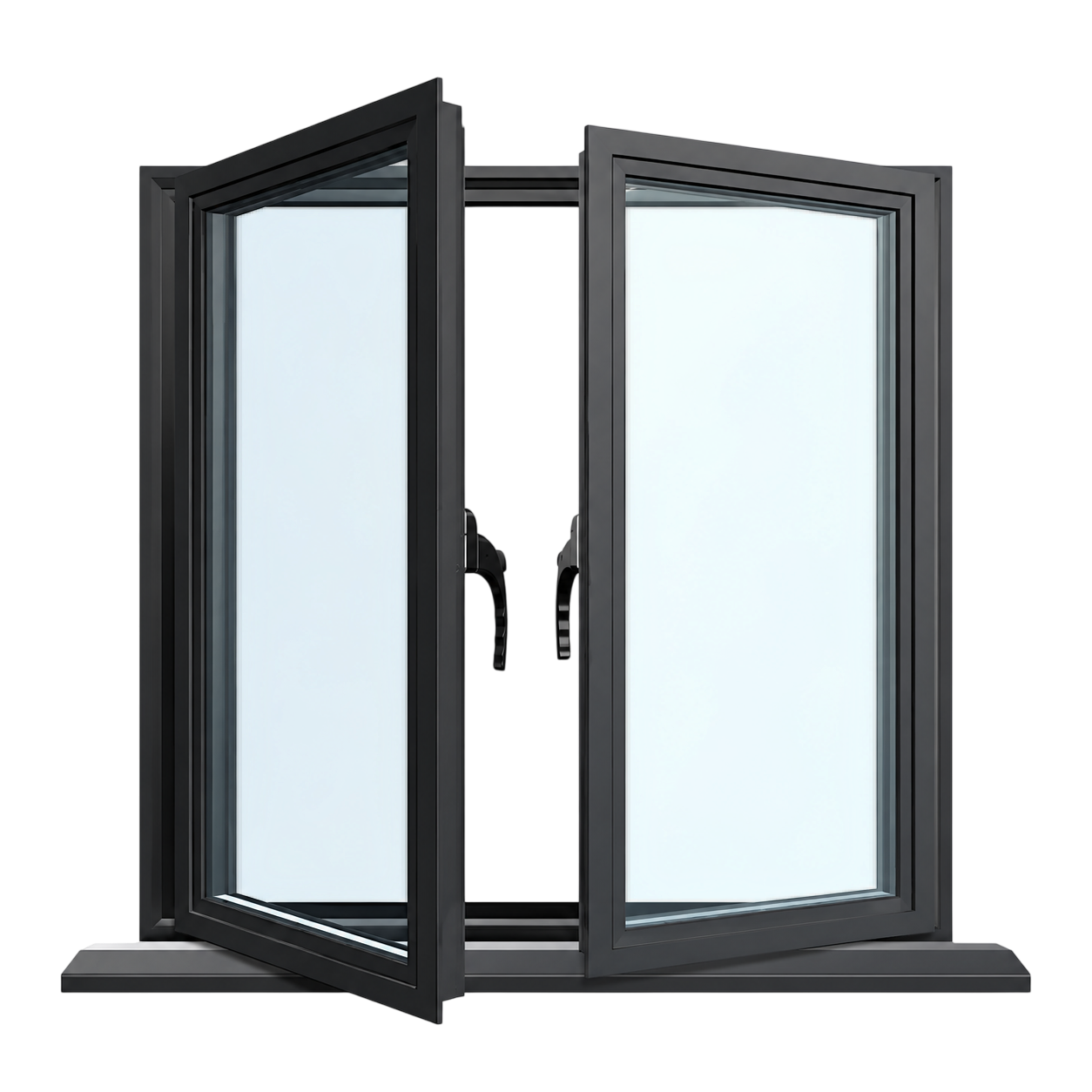
An anthracite aluminium casement window with two fixed toplights over two side-hung opening sashes.
Aluminium casement · 2 lights + toplightsRAL 7016 · slim sightlines
Aluminium

Aluminium windows and doors

Thermally broken aluminium casements, tilt & turn, fixed lights, bays and doors — slim sightlines, large spans and powder-coated finishes.

System
Thermally broken profiles with polyamide break, drainage and gasket set recorded per unit.
Sightlines
Frame, mullion, transom and sash face widths drawn to the millimetre, so the glass area is honest.
Finish
Powder-coated RAL inside and out, including dual colour, with matt, satin and textured grades.
Hardware
Lever handles, friction stays, restrictors and multipoint locking selected from your own range.
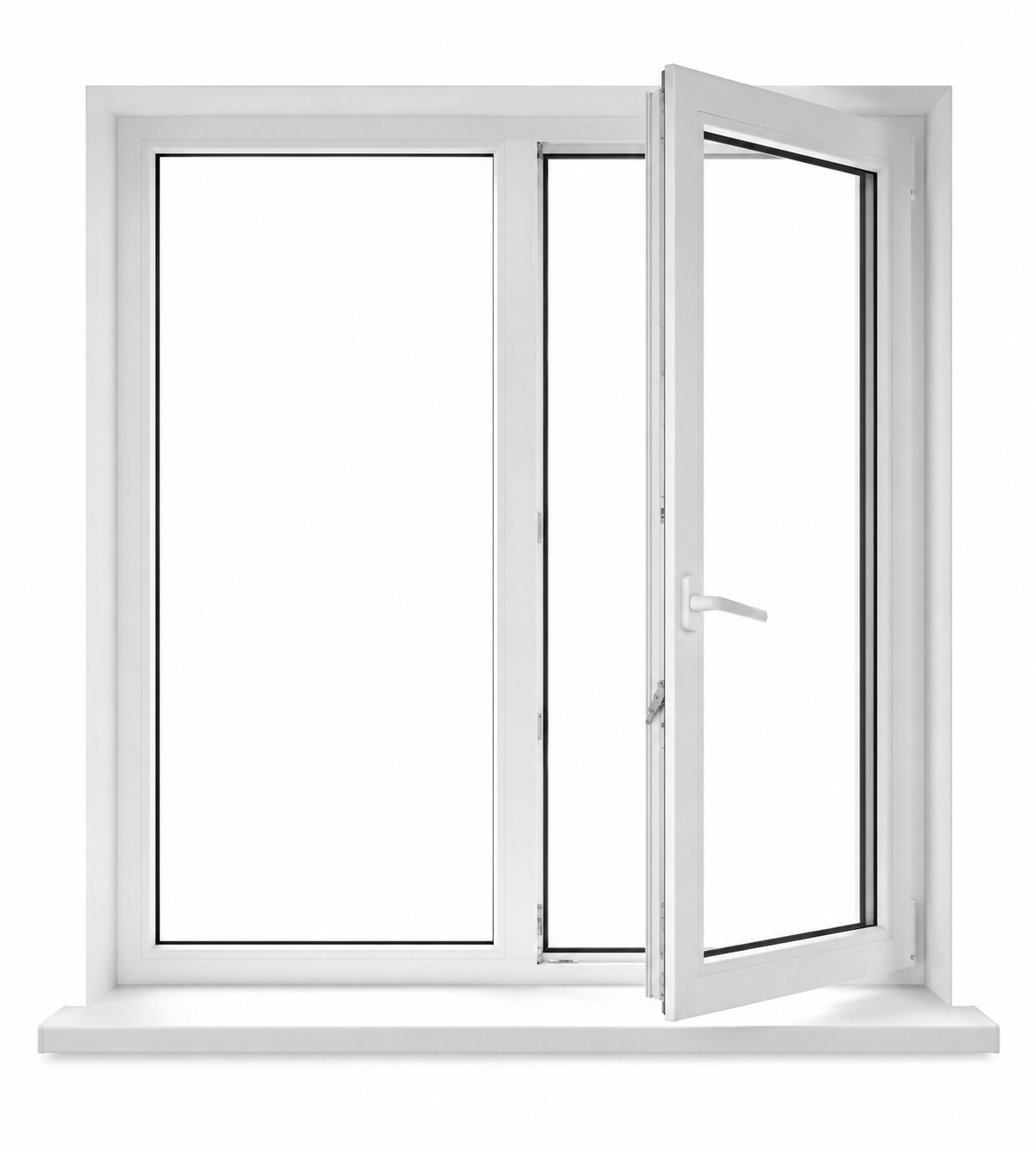
A white uPVC casement window with a fixed light and one side-hung opening sash, on a moulded cill.
uPVC casement · 1 openerWhite · moulded cill
uPVC

uPVC windows and doors

Multi-chambered uPVC casements, tilt & turn, vertical sliders and bays — reinforced, foiled and priced from the profile system you actually buy.

Profile
Chamber count, reinforcement and welded or mechanically jointed construction held on the unit.
Style
Chamfered or sculptured beading, run-through sashes, astragal and mock sash detailing.
Finish
White, foiled woodgrains and solid colours, specified separately for each face.
Costing
Priced against your fabricator’s rates per profile system, glass make-up and hardware pack.
01

One configurator

Timber, aluminium and uPVC units sit on the same quote, each drawn with its own sections, sightlines and hardware.

02

One pricing engine

Your rates per material, profile system, glass make-up and hardware pack — so the figure reflects what you actually buy.

03

One production spec

The specification that priced the quote produces the purchase order, the cutting information, the labels and the drawings.

04

One customs classification

Material drives the commodity code — timber under 4418, aluminium under 7610, uPVC under 3925 — set once per product.

The workflow

From an opening to a manufacturable unit.

The configurator sits between the enquiry and the price, which is exactly why it cannot be a separate tool.

  1. 01OpeningSize & type
  2. 02ConfigurePanes & sashes
  3. 03SpecifyGlass, bars, finish
  4. 04DrawingInternal & external
  5. 05PriceCost & margin
  6. 06QuoteReady to send

Benefits

What changes in the business.

Not features. The four things that are different once this is in place.

  • 01

    Every unit type

    Windows, doors and bays, in timber, aluminium, steel and uPVC.

  • 02

    Real geometry

    Frame, mullion, transom and cill dimensions drawn to the millimetre.

  • 03

    Internal and external

    Colours, hardware and bars specified separately for each face.

  • 04

    One specification onward

    The same configuration prices the quote and instructs the factory.

Also included

Everything stays organised.

  • Billing & business administration

    Subscription, seats, add-ons and invoices handled in one place, alongside company details, VAT and currency settings.

  • Product & pricing library

    Your materials, glass, hardware, colours and fitting rates held once and used by every quote in the business.

  • Media & documents

    Drawings, photographs, certificates and reference images filed against the job they belong to.

Ready to run your window business differently?

Manage leads, surveys, window configuration, quoting, production, teams and deliveries — all from one place.

Cookies on Fenora

We store only what Fenora needs to work — keeping you signed in, remembering your preferences, and holding survey data on your device while you are offline. No advertising cookies, no cross-site trackers and no third-party analytics.